
Article Contents ::
All about Bacterial Infections Caused by Gram-Positive LISTERIA MONOCYTOGENES with diagnosis Treatment Signs and symptoms
Infection with Listeria monocytogenes, an intracellular bacterium found in soil that causes mild food poisoning in healthy persons and severe systemic disease Listeria monocytogenes is an important bacterial pathogen in neonates, immunosuppressed patients, elderly adults, pregnant women, and occasionally, previously healthy individuals.
 |
| Gram-Positive LISTERIA MONOCYTOGENES with diagnosis Treatment Signs and symptoms |
- Listeria meningoencephalitis most often occurs in neonates after three days of age and in immunocompromised and elderly adults.
- Adults with Listeria sepsis, most of whom are either immunocompromised or elderly, typically present with fever and chills.
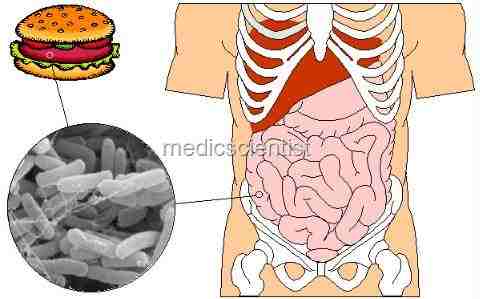
- Unlike other food-borne pathogens, Listeria grows in food even when it is refrigerated; it also grows on the walls of refrigerators and can infect other foods.
- The most common central nervous system manifestation of listerial infection is meningoencephalitis.
LISTERIA MONOCYTOGENES
- It is a Gram +ve rod causing infection in pregnancy, and immunosuppressed patients.
- It can cause meningitis, sepsis, chorioamnionitis, still birth.
CLINICAL SYNDROMES LISTERIA MONOCYTOGENES
- individuals at the extremes of age including neonates and elderly adults, and pregnant women.
- Listeria monocytogenes is thought of as a pathogen that causes invasive disease including meningoencephalitis,meningitis, or individuals at the extremes of age including neonates bacteremia in immunosuppressed patients, and elderly adults, and pregnant women.
- Listerial sepsis occurs in patients of all ages. Neonates probably acquire infection during or after birth.
- There are no specific clinical indicators of listerial bacteremia in pregnant women and central nervous system (CNS) invasion is uncommon.
- Listeria monocytogenes is thought of as a pathogen that causes invasive disease including meningitis, meningoencephalitis, or bacteremia in immunosuppressed patients,
- However, Listeria is also a cause of self-limited febrile gastroenteritis in normal hosts who ingest high numbers of organisms
- However, Listeria is also a cause of self-limited febrile gastroenteritis in normal hosts who ingest high numbers of organisms
Prevention LISTERIA MONOCYTOGENES :
- The organism may be found in meat or dairy products from infected animals
- In pregnant women, Listeria infects the amniotic fluid and causes spontaneous abortion; in neonates,and immunosuppressed adults it most commonly causes meningitis
- The organism is destroyed by heat, thus the danger lies in foods served cold or not heated to 158°F for at least 2 minutes.
- Food should be well-cooked as the infection is commonly food-borne.
Treatment LISTERIA MONOCYTOGENES :
- Treatment varies with the different clinical syndromes of listerial infection: Febrile gastroenteritis Infection in pregnancy Sepsis of unknown origin CNS infection
- – Meningoencephalitis – Cerebritis – Rhombencephalitis Focal infections Neonatal infections
- Ampicillin plus ceftriaxone or cefotaxime or ampicillin plus an aminoglycoside have proven effective against Listeria meningitis.
- Adults — Ampicillin (2 g IV every four hours); penicillin G (4 million units IV every four hours)
- Children — Gentamicin (7.5 mg/kg per day IV in three divided doses)
- IV ampicillin or penicillin + aminoglycoside
- Pregnant women with isolated listerial bacteremia can be treated with ampicillin alone (2 g IV every four hours) ,if allergic to penicillin can be skin tested and desensitized, if necessary, or treated with trimethoprim-sulfamethoxazole,
- Tri methopri m -SuIfamethoxazole, Rifampin, Imipenem may also be given.